Algorithmic Violence - the societal effect of computational security
Ultimately my interest is in how security technologies condition the social world, especially in relation to security politics.
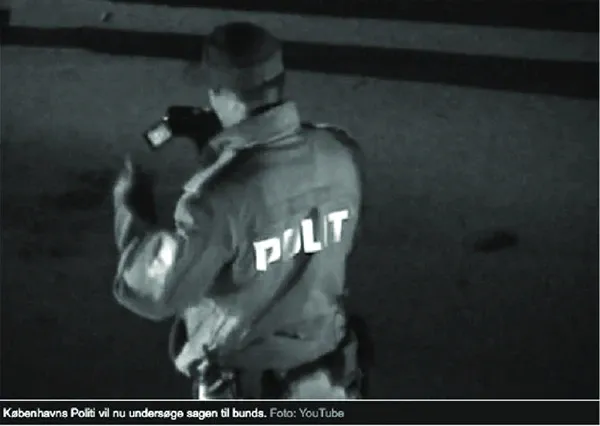
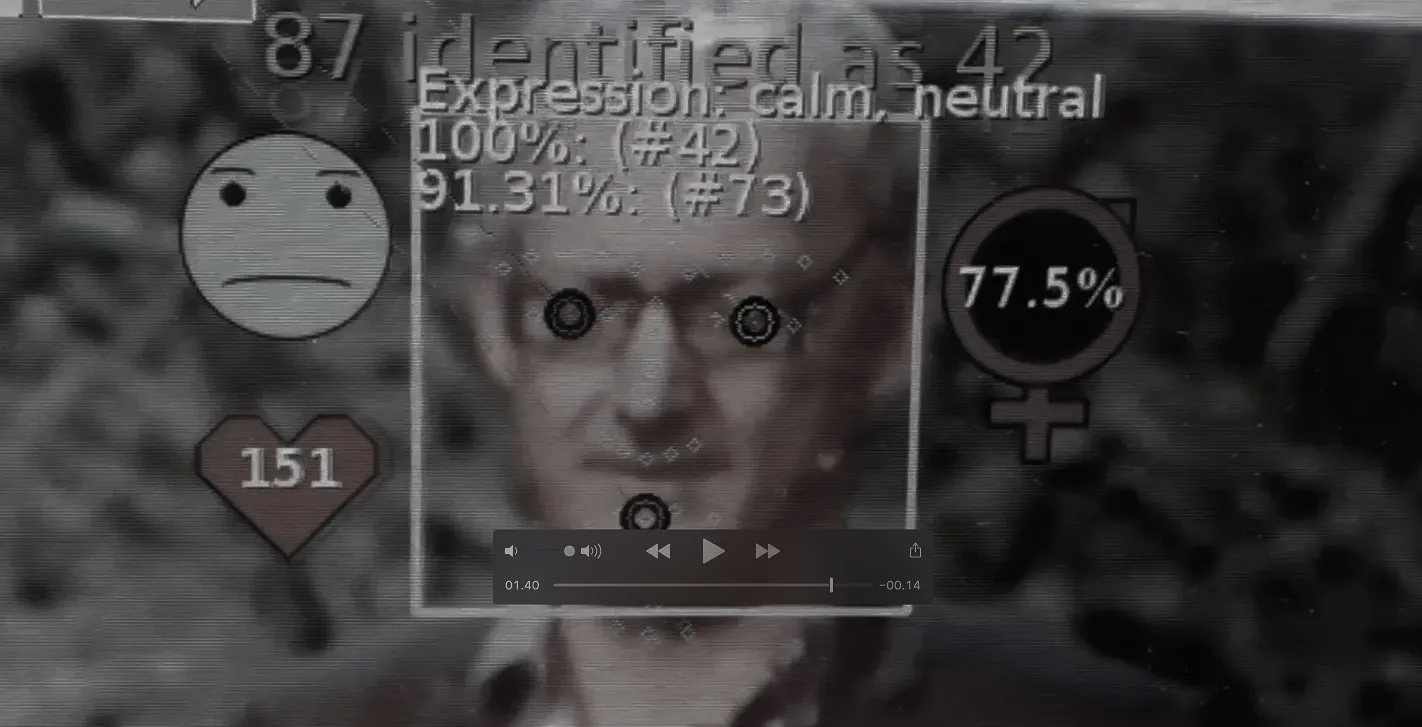
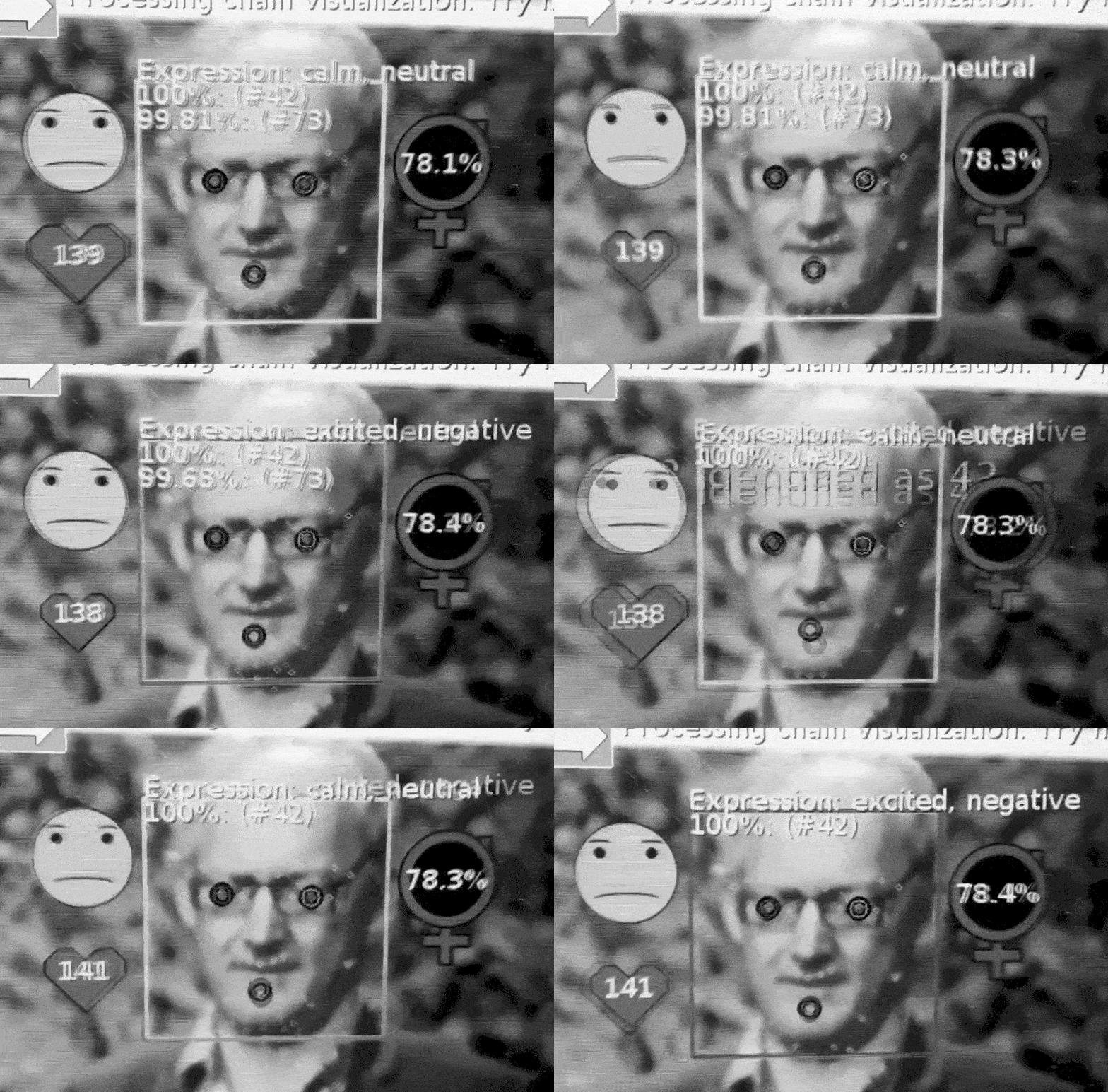
This, I think, happens both in mediating the debate that informs security politics where security problems are identified and portrayed. And it happens in the implementation of (often violent) politics to address security questions. I have debated the role of computer vision in implementation in a collective discussion with people smarter than me:
Rocco Bellanova, Kristina Irion, Katja Lindskov Jacobsen, Francesco Ragazzi, Rune Saugmann, Lucy Suchman, Toward a Critique of Algorithmic Violence, International Political Sociology, Volume 15, Issue 1, March 2021, Pages 121–150, https://doi.org/10.1093/ips/olab003
The role of computer vision in social media systems is increasing as these systems ‘understand’ more and more of the content of the images shared on them. I wrote an article about the technological structuring of security debate. It is not centered on computer vision (as I have not gotten my head completely around that, and as the technologies are still developing), but it thinks about what the visual-technologial structuring does to security debate. Here, there may actually be some hope in that security debate can get somewhat more independent of elite discourse, as I argue in my investigation of how Black Lives Matter videos function as insecurity articulations.
Rune Saugmann Andersen, Smartphones and video as security articulation infrastructures: evidencing Black Lives Matter, International Affairs, Volume 100, Issue 4, July 2024, Pages 1471–1489, https://doi.org/10.1093/ia/iiae170