Computer Vision in Security Politics
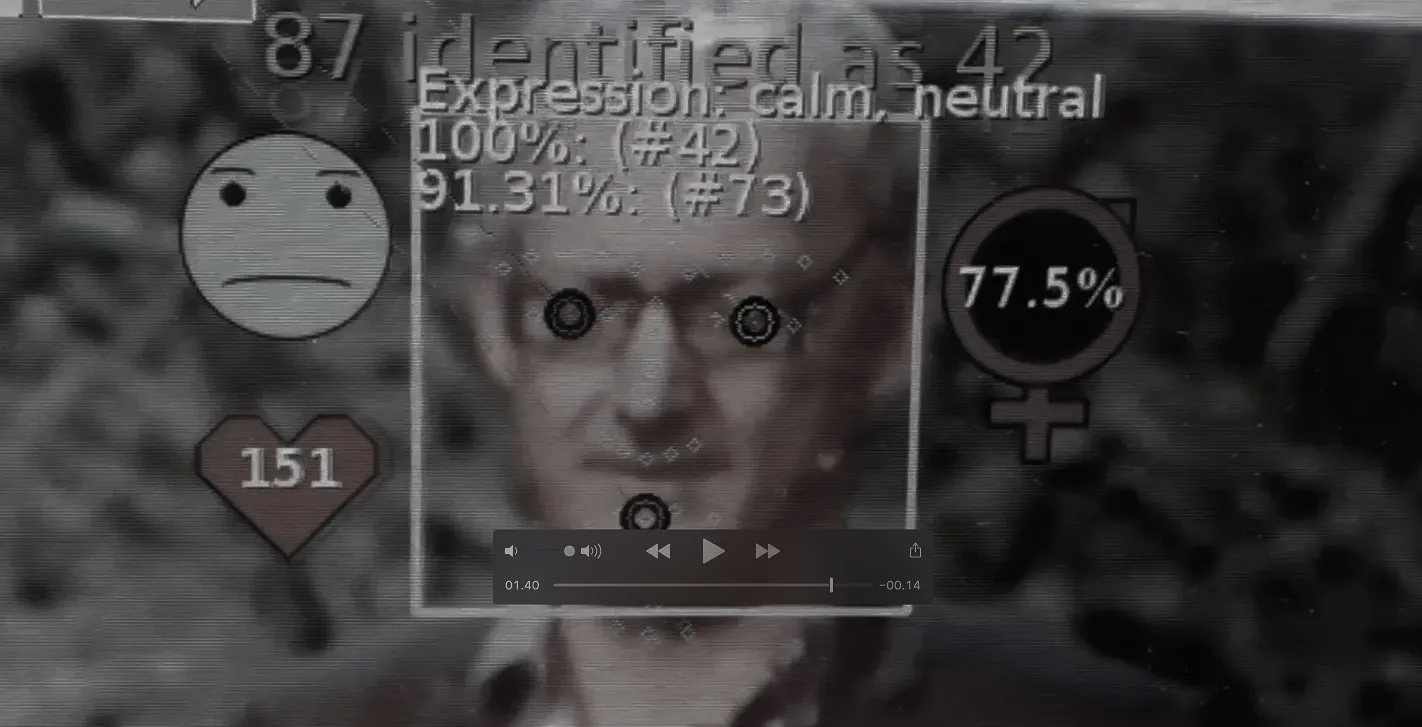
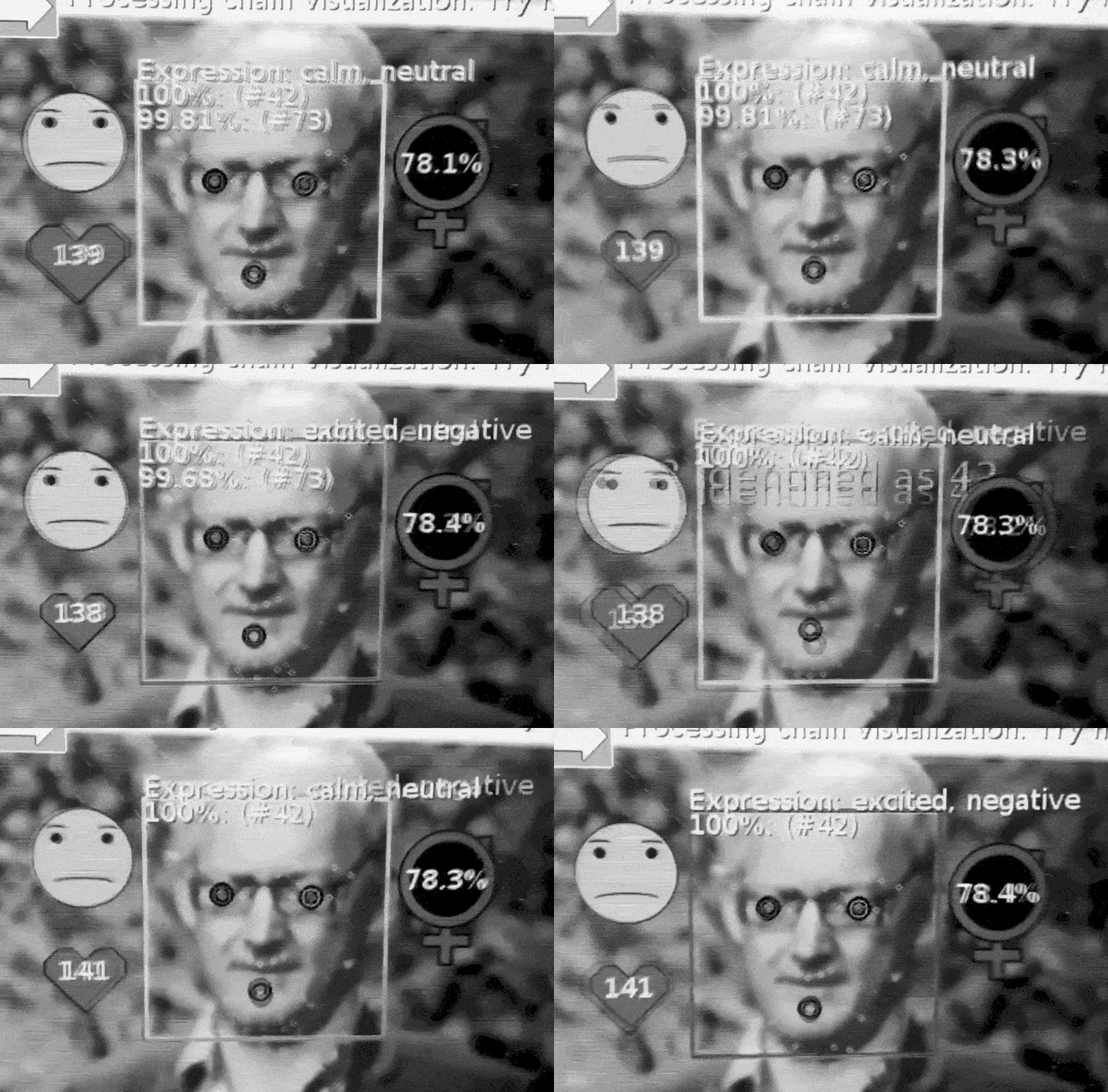
When security is reimagined by evolving forms of technological ‘seeing’ – recognition systems like face recognition – security is re-ordered and the relationship between society and threats is reconfigured.
In everyday security implementation, the myriads of miniscule political decisions that make up security implementation are increasingly influenced by recognition – questions like who gets to pass checkpoints without inspection, who gets detained or asked a question by security personnel, what constitutes suspicious behaviour, what is the police looking at and for, where, when?
These reconfigurations raise questions about the technologies in use in security management and security politics. Are there in-built ways of seeing in new visual security technologies? If so, how do they see security relations? How do we investigate or critique the security politics of technological seeing?
Three aspects of how computational infrastructures make sense of security strike me as especially interesting meeting points between security and computer vision:
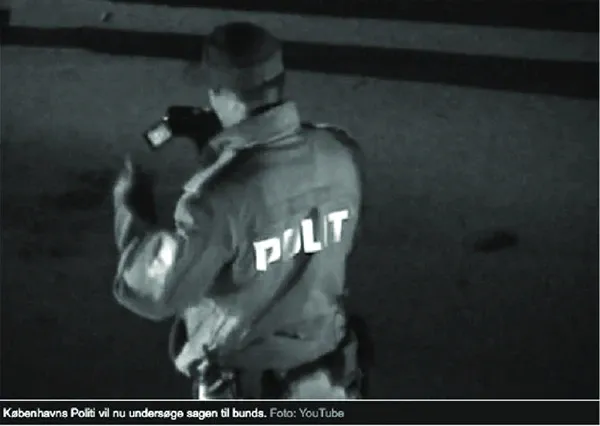
Producing Security Data - the crucial role of digital cameras in making security intelligible to computational machines
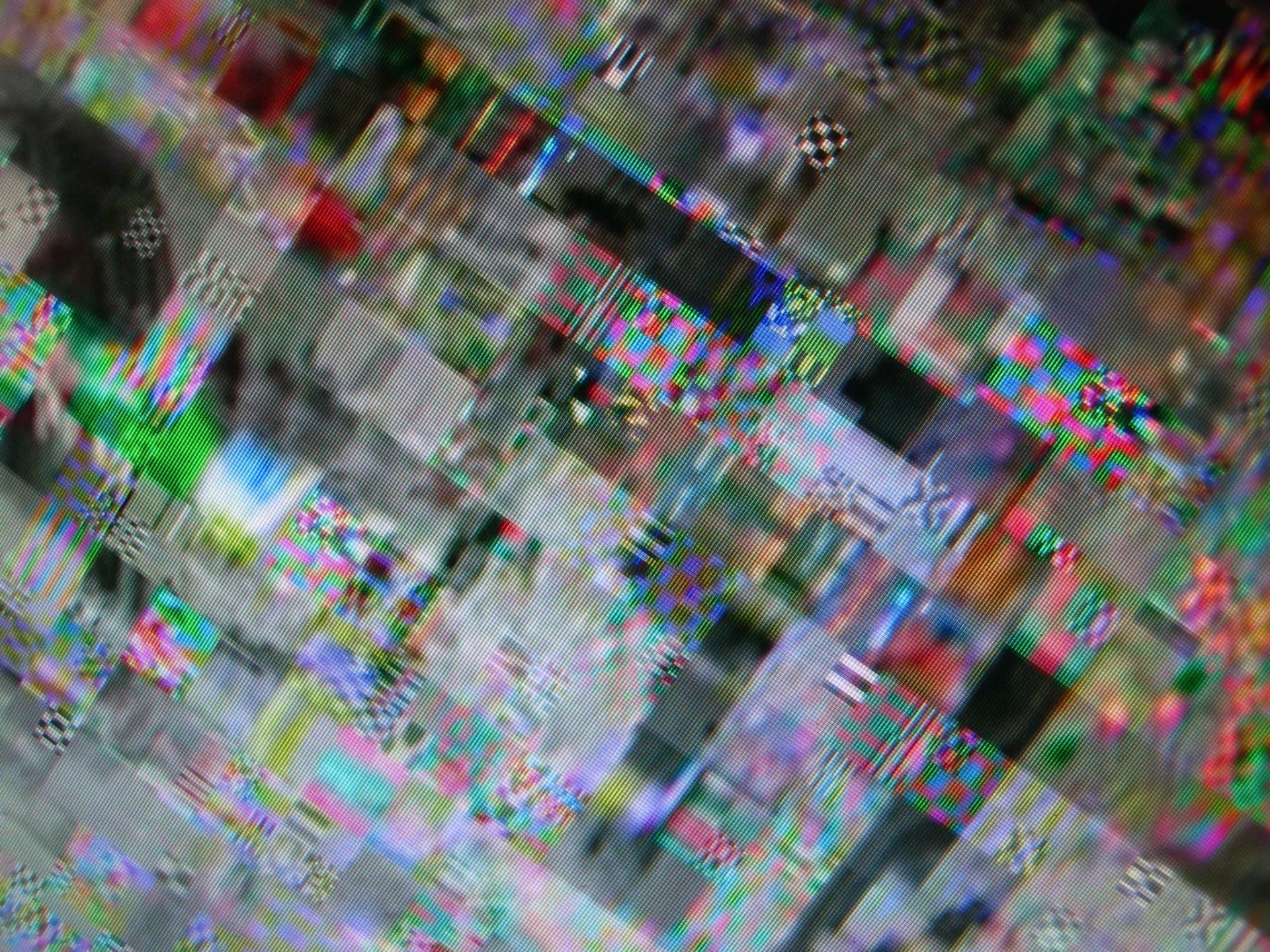
Formatting Security - extraction and preprocessing security data, and application of metrics to evaluate it
Algorithmic Violence - the societal effect of computational security