Hybrid Epistemology - what kind of conflict knowledge emerges when OSINT is used to portray international conflicts?
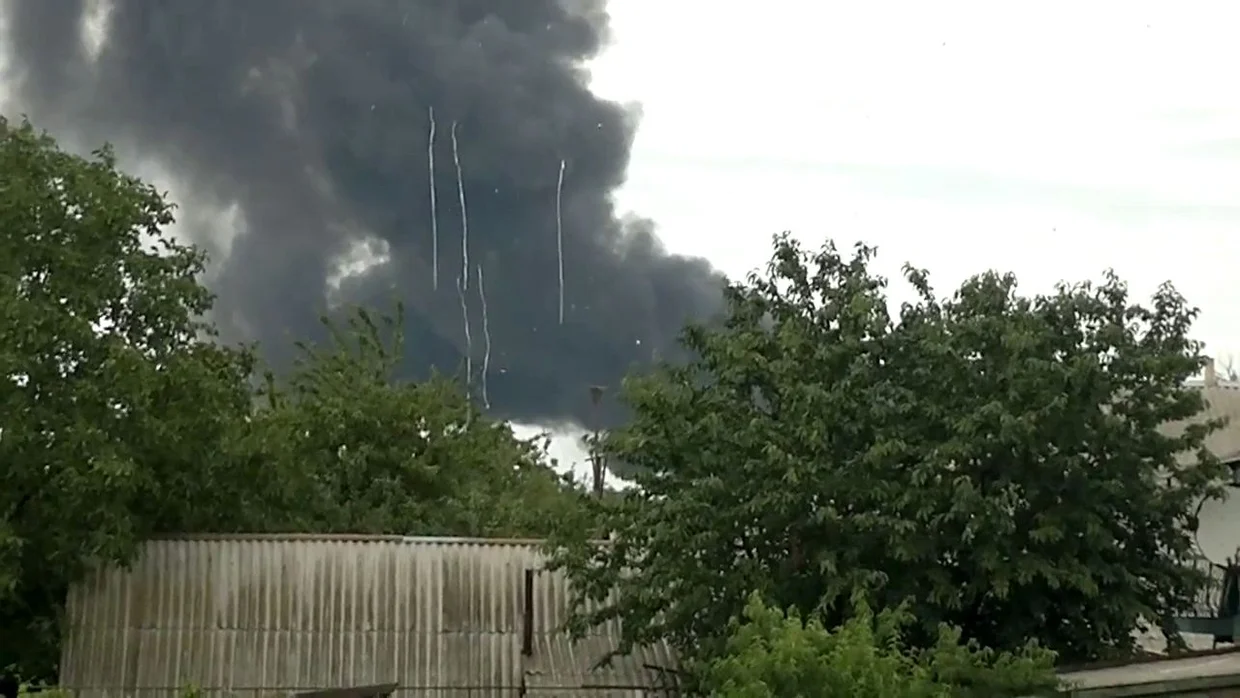
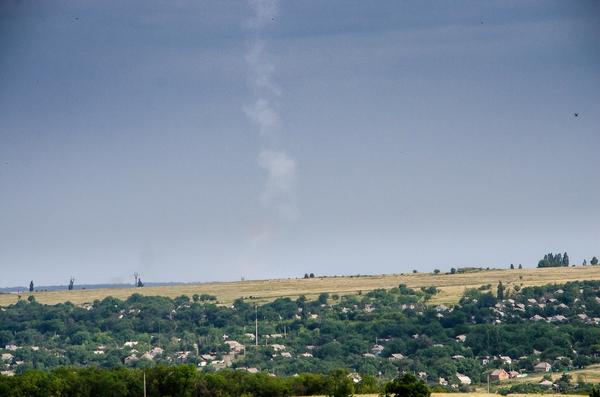
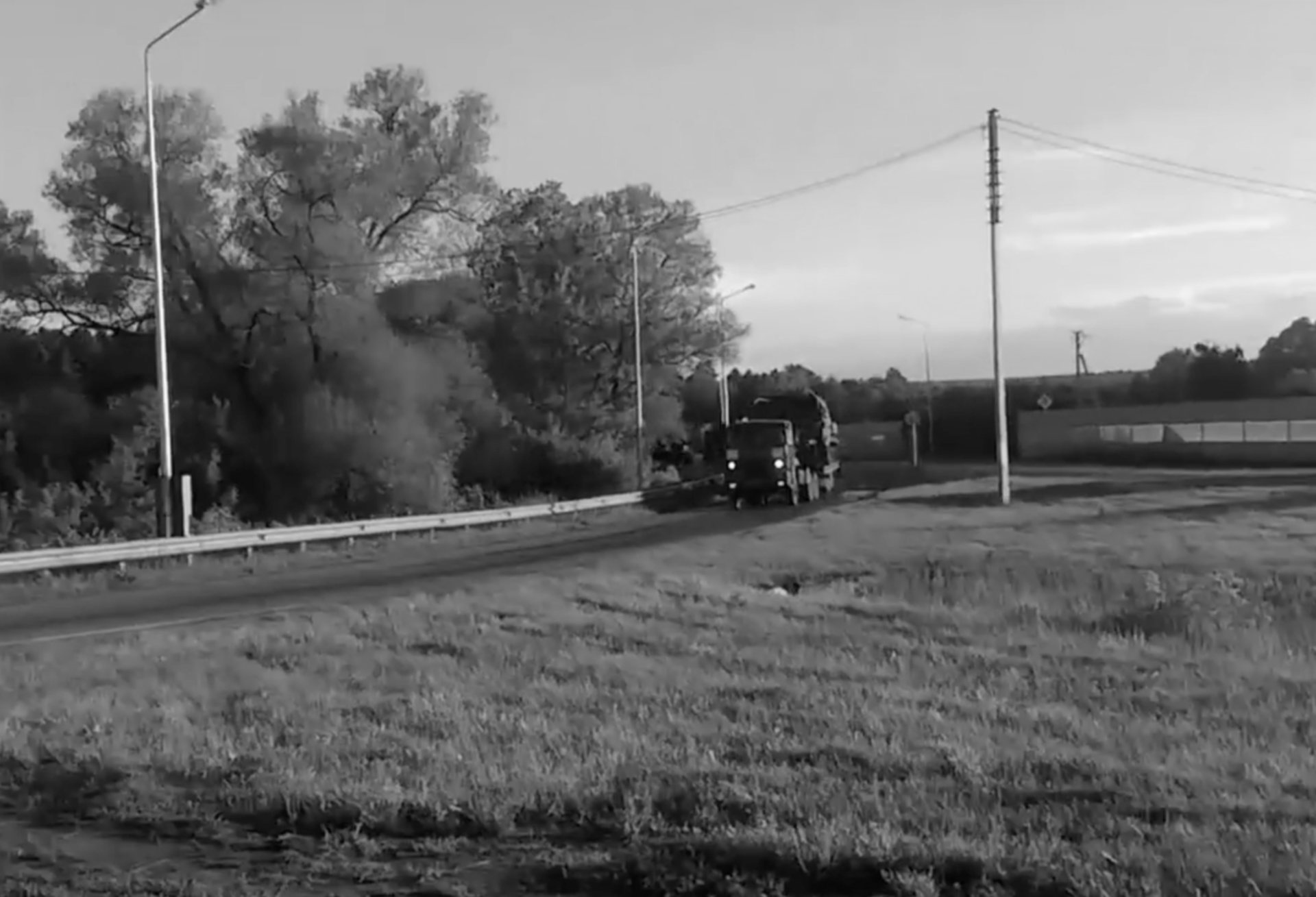
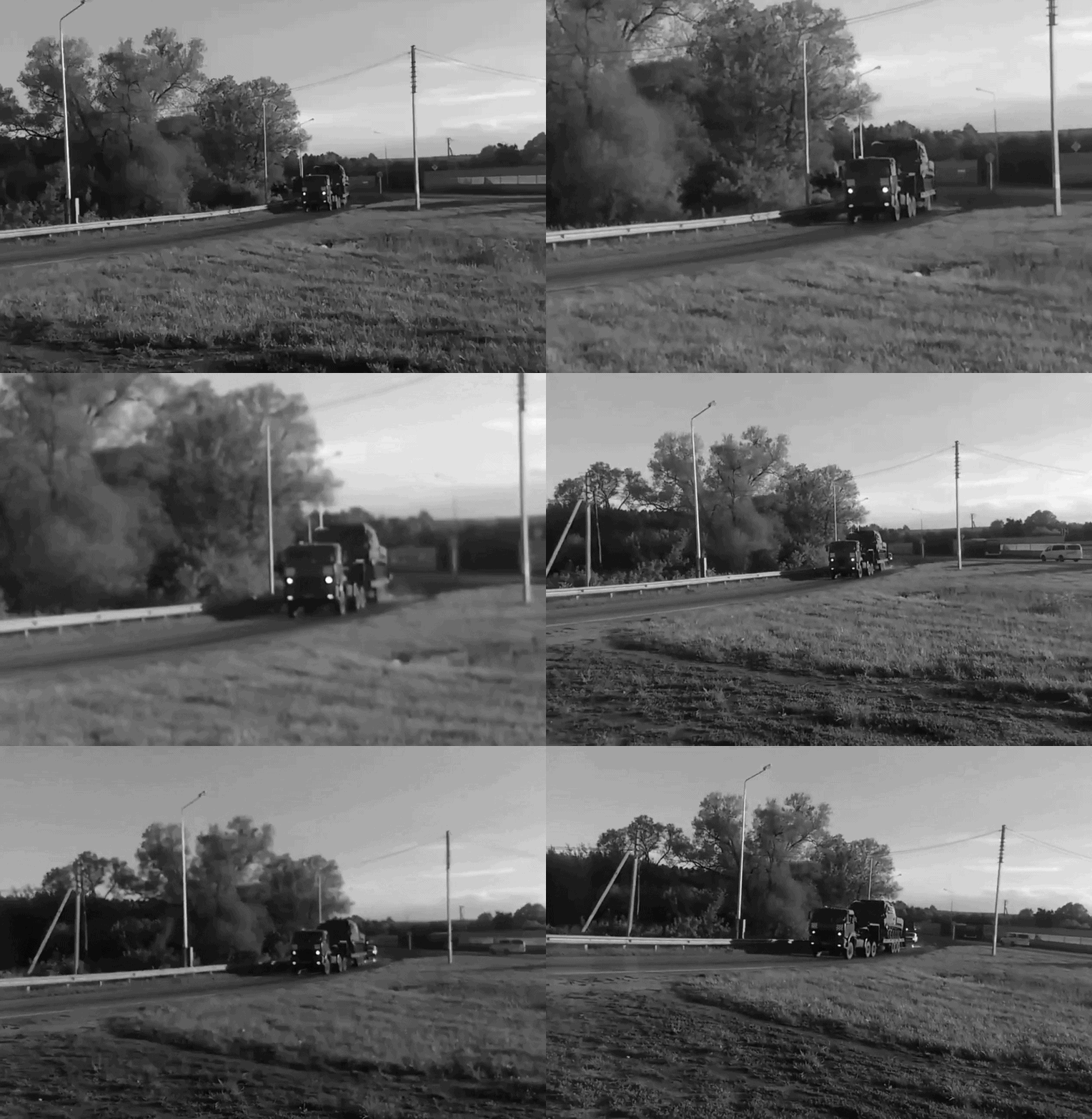
Open source knowledge techniques are breaking new ground in how knowledge is established during and about international crises. On 17 November 2022, the District Court of The Hague sentenced three of the four individuals prosecuted for downing flight MH17, the plane shot down over eastern Ukraine in 2014, to life imprisonment. In addition to traditional sources of expert knowledge, images found on the internet, hailing from unknown social media accounts, became central to producing the material facts of the case.
In a paper under publication I investigate how new practices of knowledge-making are visible in MH17 investigations, practices responding to the public availability of images portraying key moments, such as smoke trails in the sky, wreckage, and missile launchers. It thinks about what happens when such practices meet the established knowledge practices of forensic institutes, workplace safety investigators, and state prosecution agencies.
Further reading:
The process of re-using images is of course also fraught with power relations and political aesthetics. In this article written together with colleagues Frank Möller and Rasmus Bellmer, we investigate visual appropriation and think about how to use it to do work as scholars of international politics:
Frank Möller, Rasmus Bellmer, Rune Saugmann, Visual Appropriation: A Self-reflexive Qualitative Method for Visual Analysis of the International, International Political Sociology, Volume 16, Issue 1, March 2022, olab029, https://doi.org/10.1093/ips/olab029