Open-Source Investigation in International Politics
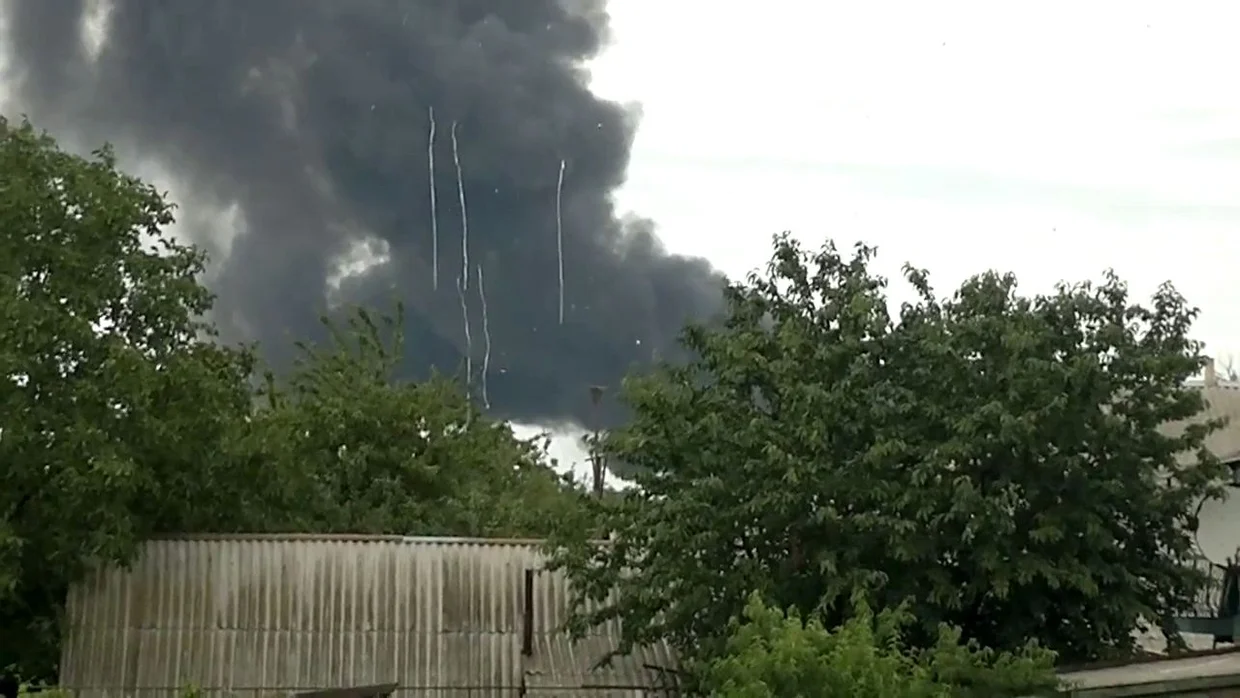
The internet spawned a new way of knowing the international. Forget news journalism, covert intelligence, or diplomatic fact-finding missions. The multiplication of internet images, videos, and other content allows understanding almost any hard-to-access, violent, remote, international situation or issue by looking for its internet imprint – social media images and videos, local media clips, available satellite data and the like.
The international use of Open Source Investigation and Open Source Intelligence (OSI and OSINT) was in the 2010’s mainly developed by news media and dedicated OSI NGO’s like Forensic Architecture or Bellingcat, and adopted by human rights organizations. But Russia’s 2022 full scale invasion of Ukraine led to a state-sanctioned embrace of OSINT, with e.g. EU-sanctioned efforts to document war crimes and destruction. When states enter the field of OSI, they bring their own power and knowledge logics with them, different from the open ethos characteristic of non-governmental OSINT. In short, welcome to OSINTernational, the hybrid between international politics and knowledge production.
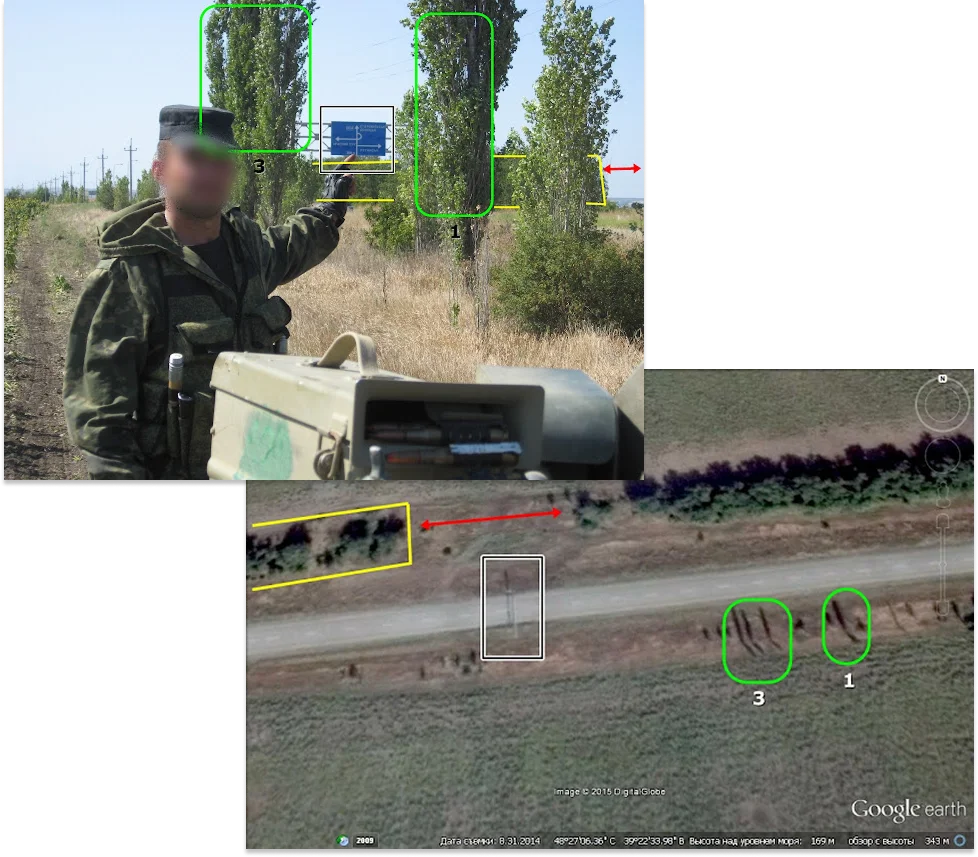
The development of this kind of knowledge production is something I investigate in my new project U-KNOW – Understanding International Knowledge Practice and Open Source Images. It raises a broad range of problems I find particularly interesting, 3 of which I describe below. OSINT threatens to collapse the distinction between civilian and military; the state-backed use of OSINT knowledge-making brings in political or alliance-based knowledge interests; and which kind of hybrid emerges from the merging of the open verification ethos of OSINT pioneers with state-based knowledge interests. Read more about these below.
Distinction - are open source internet-enabled investigations furthering a collapse of clear lines between civilians and combatants?
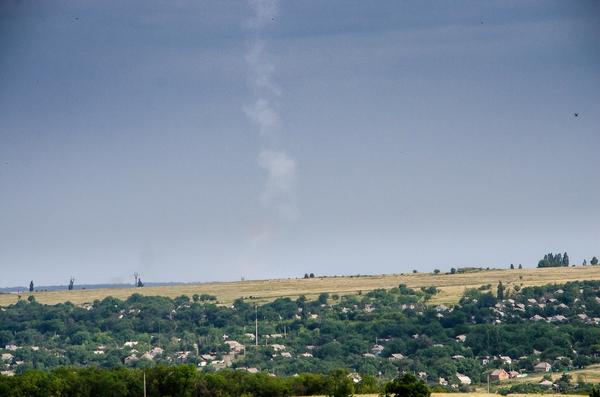
State vs. Knowledge Interests - investigating how open source knowledge logics meet the international political interests of states (project U-KNOW)
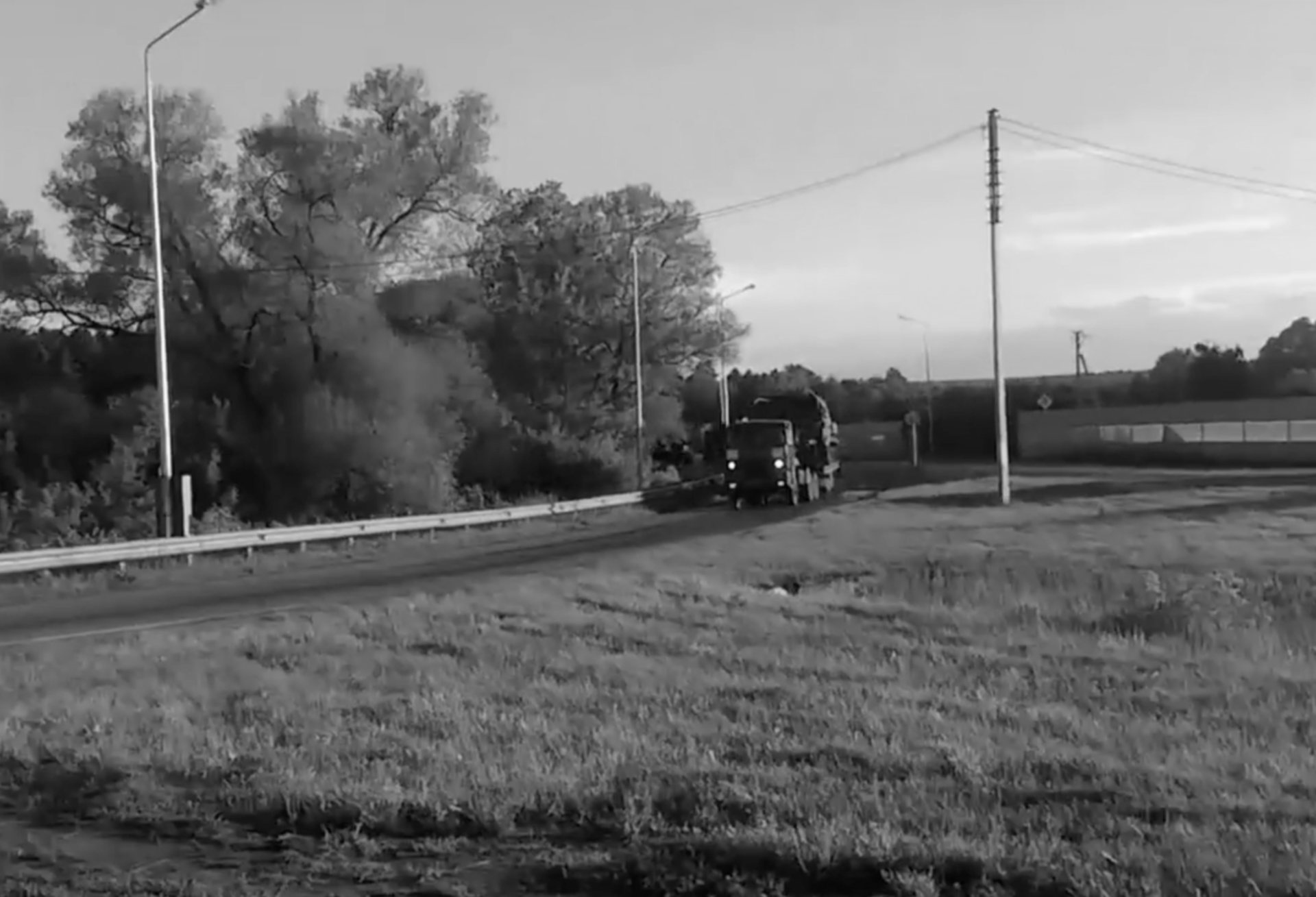
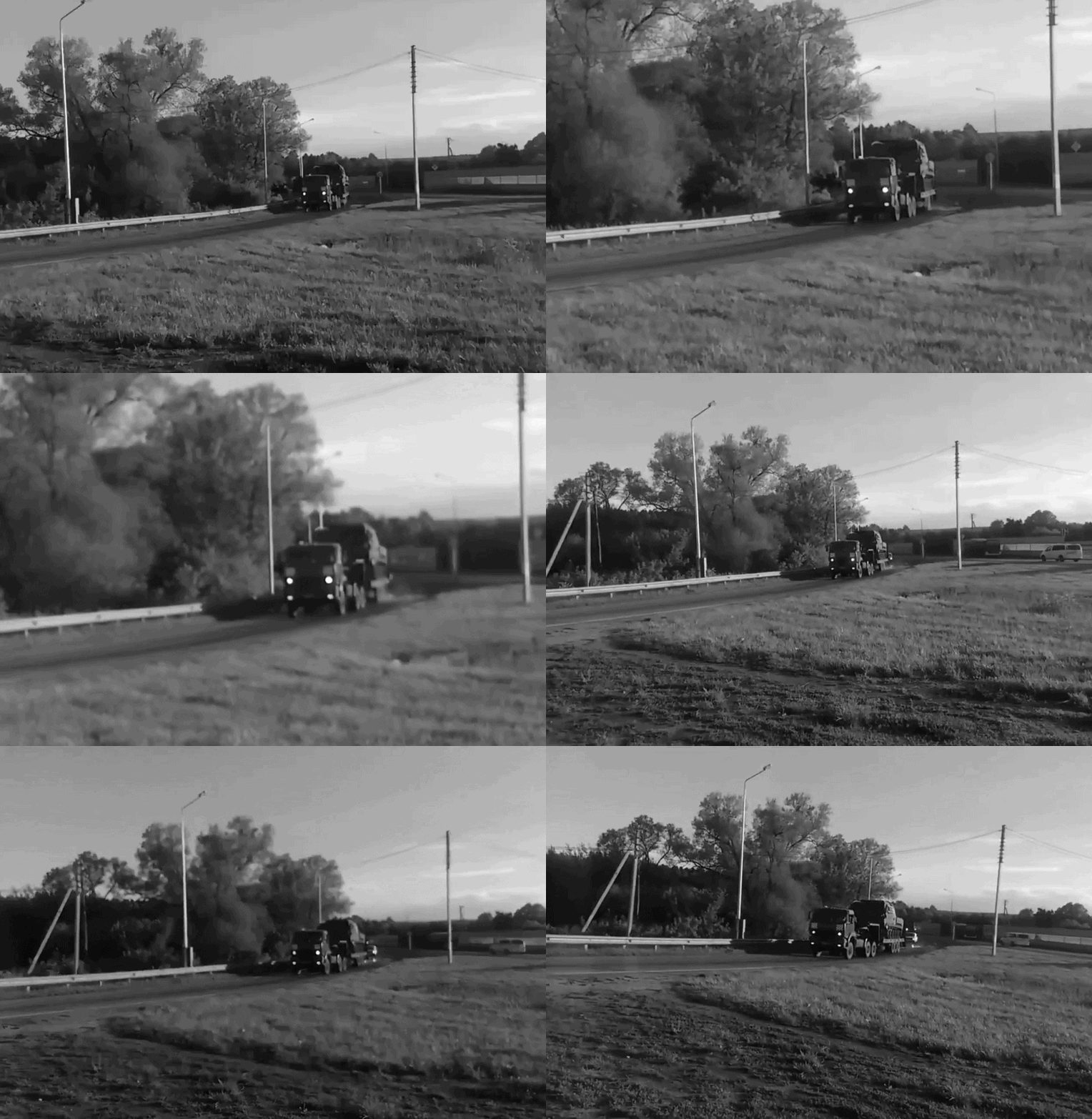
Hybrid Epistemology - what kind of conflict knowledge emerges when OSINT is used to portray international conflicts?