Surveillance
It is impossible to think about visual security without thinking of surveillance, and the ways in which visual surveillance technologies have developed over the last decades.
We live in increasingly intrusive and encompassing surveillance societies, where objects and subjects are classified and acted upon by security applications built on computer vision technologies.
This condition for me brings out two imperatives I address in my research: First, the need to know about and make surveillance visible, and understand its connections to security. And second, the need to take a more active stance and develop strategies for how to counteract surveillance or ensure citizen agency and participation under conditions of surveillance.
Making Surveillance Visible - the limits of visibility cannot define the limits of our knowledge about surveillance. There’s a need for conceptual and empirical engagement with expanding surveillance apparatuses.
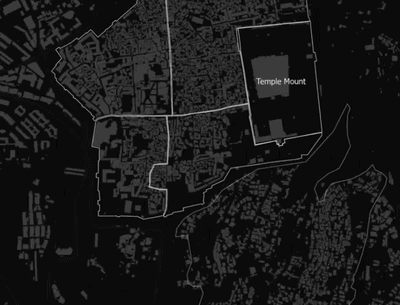
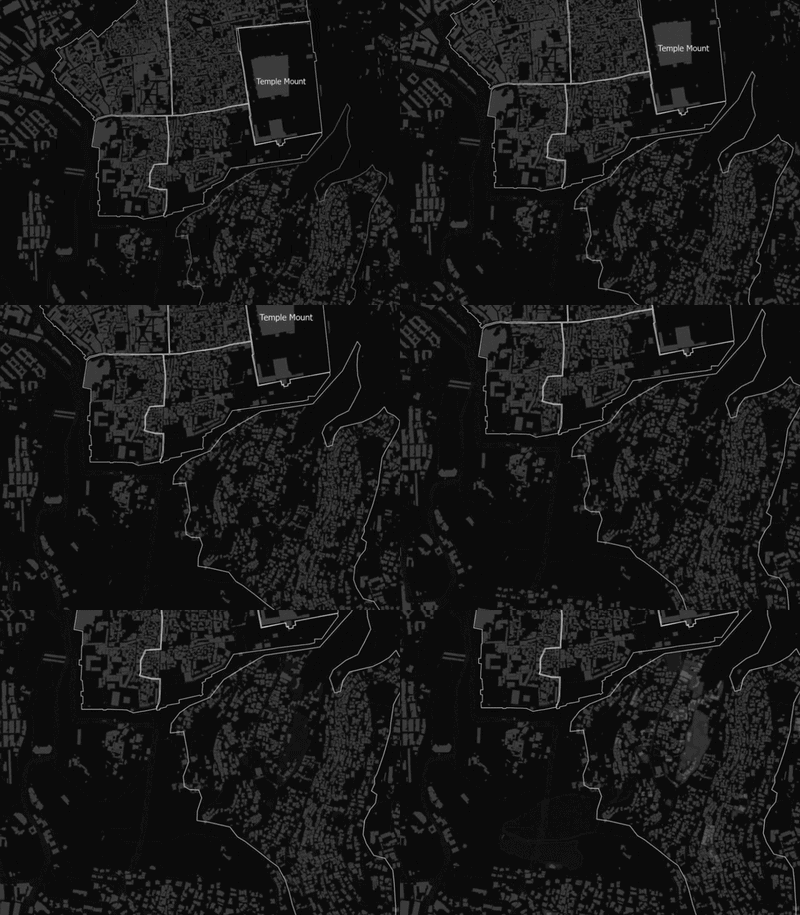
Everyday sociality as well as subjects in warzones are surveilled and processed by computer vision, with surveillance technology producers working to seamlessly link cell-phone or CCTV footage to satellite imagery and non-visual data.