State vs. Knowledge Interests - investigating how open source knowledge logics meet the international political interests of states (project U-KNOW)
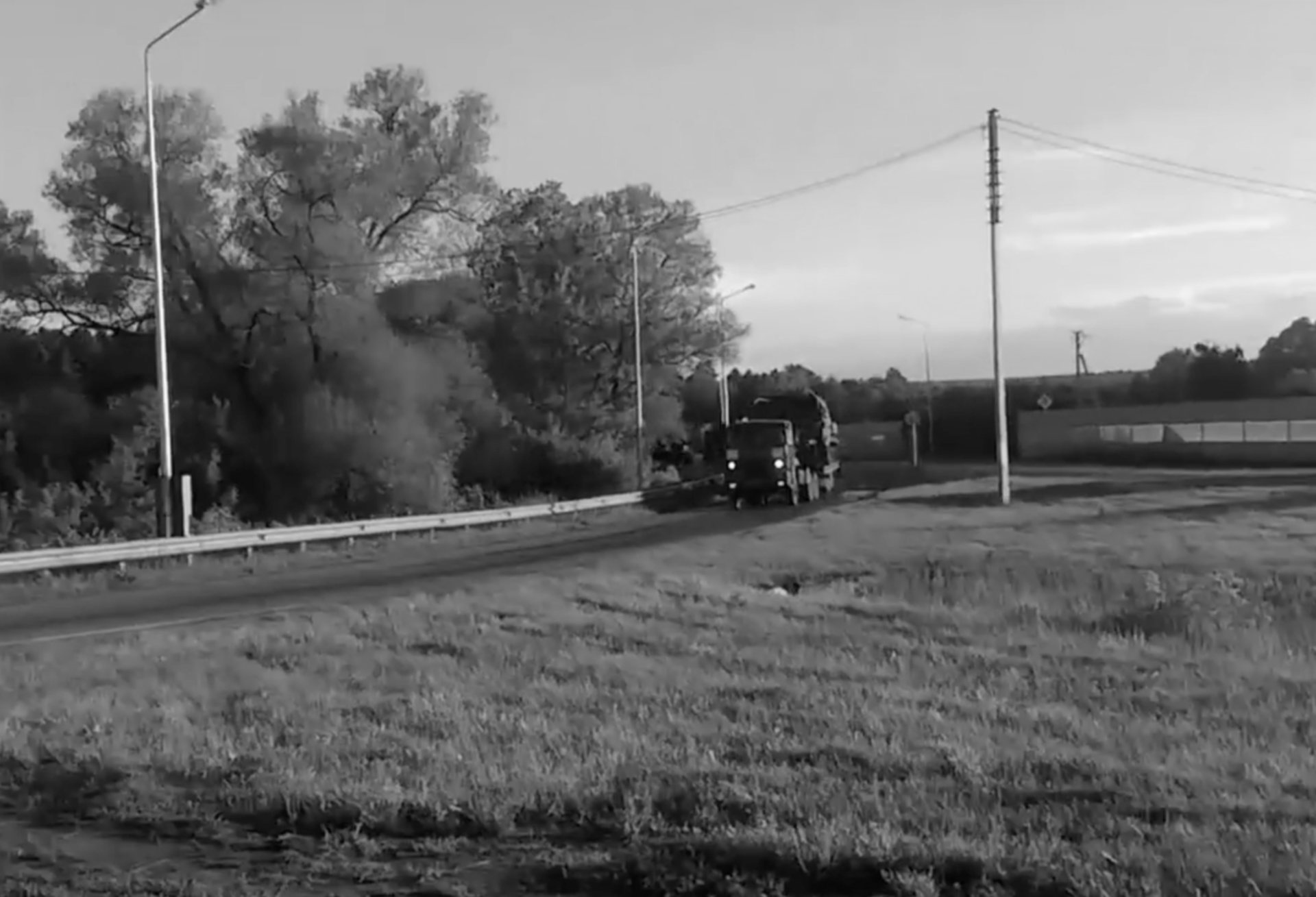
When open source investigation (OSI) actors like Bellingcat or Forensic Architecture present image-based investigations, they often collide with entrenched state practices and legal traditions that have long monopolized authoritative knowledge about war. Although open source knowledge is not always oppositional knowledge, much of the development of open source investigation techniques have been driven by efforts to unmask the propaganda and secrecy that surrounds state-backed violence.
States may dispute the authenticity, relevance or interpretation of open-source images, not only to win a specific case but also to protect their broader control over how conflict is known and narrated. To counter this, OSI communities push for radical openness, transparency and reproducible methods as new norms of truth-making set against the ‘dark epistemology’ backed by states. But states have long ago discovered the value of open source investigation, and after the full-scale investigation of Ukraine in 2022, the state backing for such knowledge making became much more publicly pronounced. What happens when open knowledge interests co-exist with alliance patterns and states knowledge interests? That is the topic of the research project Understanding International Knowledge Practice and Open Source Images (U-KNOW) which I lead at Tampere University.