Distinction - are open source internet-enabled investigations furthering a collapse of clear lines between civilians and combatants?
The distinction between protected civilians those engaged in a conflict is the most fundamental principle of international law. But when knowledge is produced from open sources – often pictures and video taken by civilians – and produced by unknown online actors – where an intelligence agency or a civilian may be behind any username – distinction is threatened in a myriad of ways.
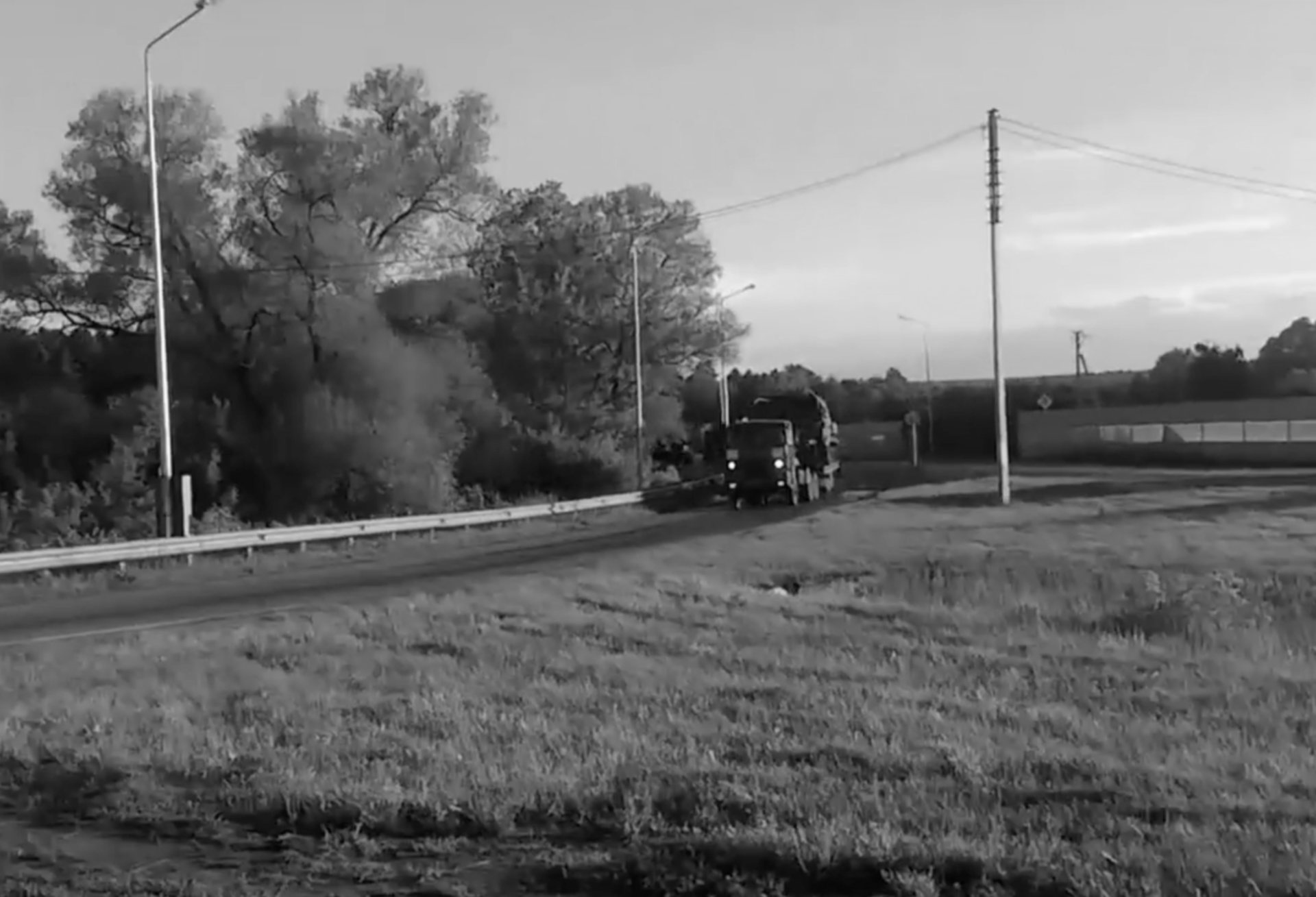
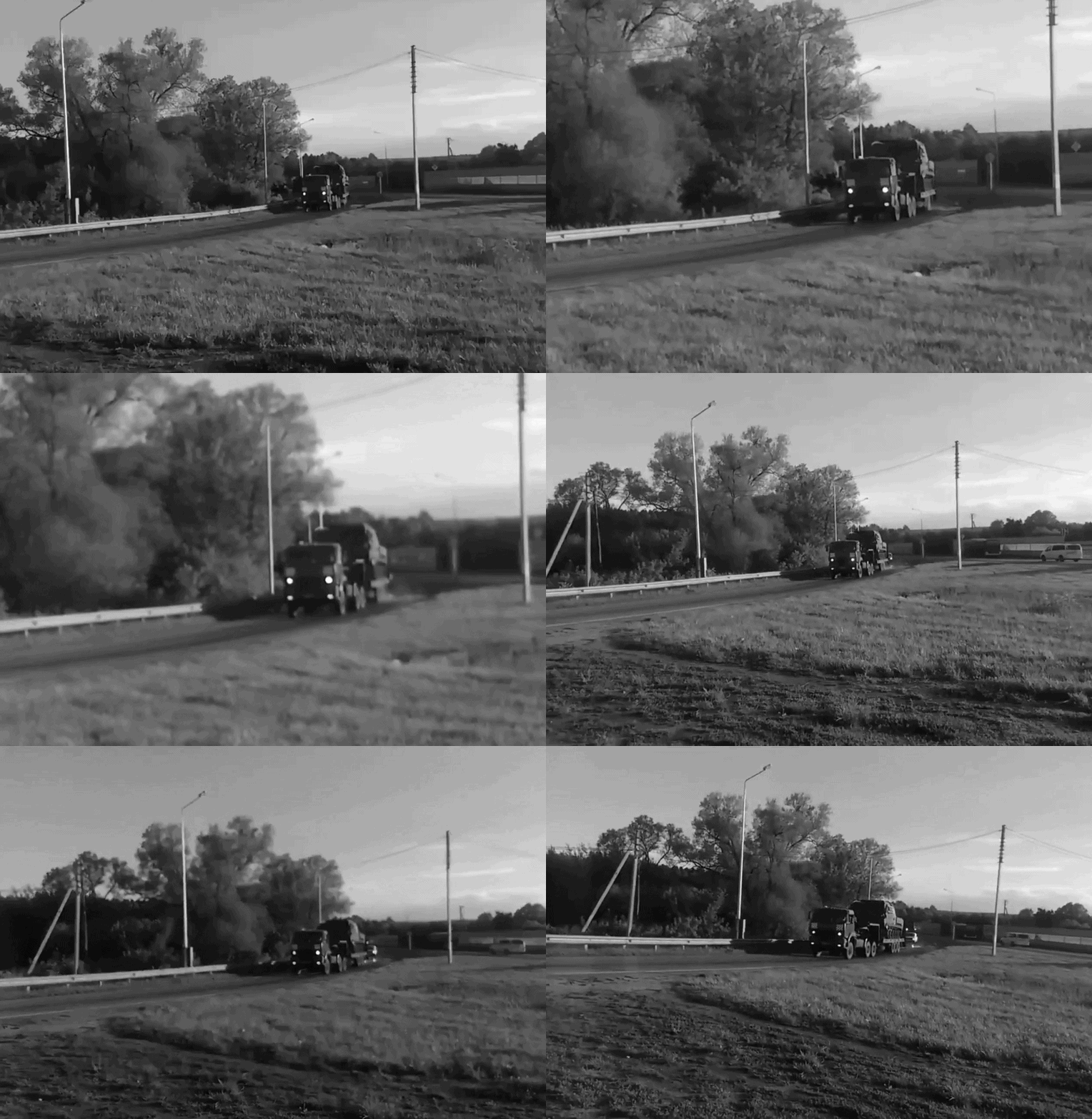
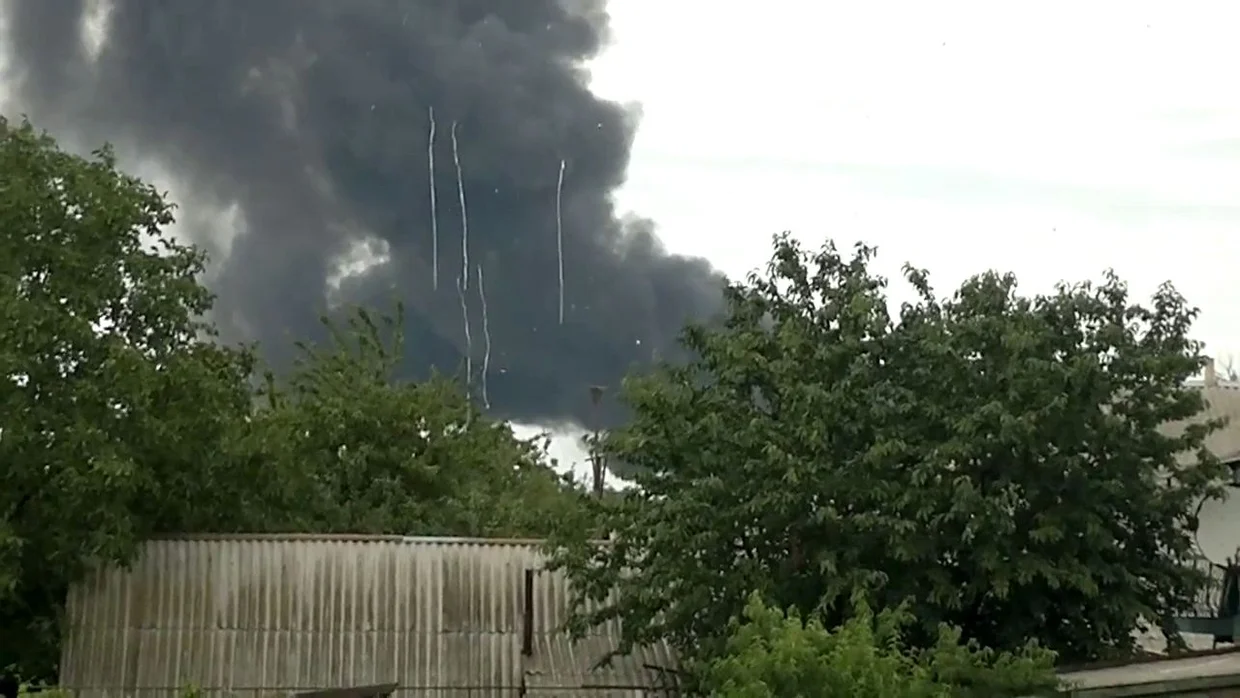
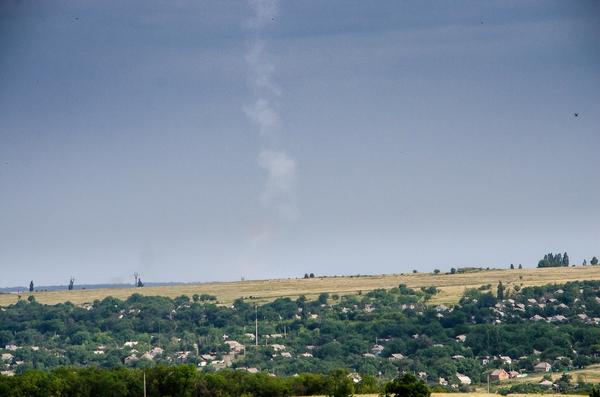
When open source investigation was still a relatively new phenomenon, I wrote about how the use of civilians’ images created insecurity. Drawing on the classic security dilemma described by Herz and Butterfield, where one state’s attempt to increase its security through better military increases the insecurity of its neighbouring state, I conceptualize a new, digital, security dilemma facing the civilian in a warzone. The civilian’s visual security paradox outlines how the civilian’s attempt to call attention to their plight in a conflict by posting images of the conflict can be used as intelligence about that conflict, threatening to draw in the civilian as an (intelligence) agent in the conflict. Civilians can either suffer in silence or, by exposing their situation, make themselves vulnerable as intelligence assets.
Saugmann, R. (2019). The civilian’s visual security paradox: how open source intelligence practices create insecurity for civilians in warzones. Intelligence and National Security, 34(3), 344–361. https://doi.org/10.1080/02684527.2018.1553700
A mirror of this situation is found in the production of open source analysis. Who is behind a twitter handle or Bluesky account that uses open sources to analyze a politically charged situation? A civilian, or an intelligence agency. Mette Mortensen tells a fascinating story about how US security authorities mask as civilians or leverage civilians to bypass legal restrictions to use face recognition.
The same image might help a court case at the International Criminal Court, inform a news story, and be used by armed forces to locate targets. That multiple life raises difficult questions: when does documenting violence for accountability slide into enabling it, and who decides?
Further reading
This project builds on and connects to themes in my earlier work. where I have investigated how digital image formats make the world available for distant observation.
Saugmann, R. (2019). The civilian’s visual security paradox: how open source intelligence practices create insecurity for civilians in warzones. Intelligence and National Security, 34(3), 344–361. https://doi.org/10.1080/02684527.2018.1553700